 English
 中文
中文In the intricate ecosystem of printed circuit board (PCB) manufacturing, the copper trace is the fundamental skeleton of electrical conduction, while surface finishing serves as the indispensable protective coat and functional enhancer. For decades, electronic manufacturers worldwide have struggled with common PCB failure challenges: copper oxidation leading to poor solderability, corrosion-induced circuit disconnection, uneven surface coating causing fine-pitch assembly defects, and short service life of terminal products in harsh operating environments. As electronic products evolve toward high precision, high frequency, miniaturization, and long-term durability, PCB surface finishing is no longer a trivial post-production process but a core technology that determines PCB yield rate, assembly efficiency, and product lifecycle reliability.
As a professional PCB manufacturing and surface finishing service provider with years of industrial experience, we have long focused on optimizing surface treatment technology and customizing matched finishing solutions for diverse application scenarios. We possess full-process independent production capacity, advanced automated production lines, a strict quality control system, and a professional technical R&D team. Our services cover all mainstream PCB surface finishing types in the industry, perfectly adapting to consumer electronics, automotive electronics, medical devices, industrial control, communication equipment, and aerospace high-end fields. This article will comprehensively analyze the characteristics, advantages, limitations, and applicable scenarios of mainstream PCB surface finishing processes, combined with our company’s technical strengths, to help global customers select the most cost-effective and high-reliability surface finishing solution accurately.
The Core Value of Professional PCB Surface Finishing Technology
Before diving into different finishing processes, it is essential to clarify the core functions and industrial value of PCB surface finishing. Bare copper on PCB pads is extremely chemically active; when exposed to air, it quickly oxidizes, forming a dense copper oxide layer that severely weakens solderability, leads to virtual soldering, missing soldering, and poor electrical conductivity during component assembly. In addition, unprotected copper circuits are prone to corrosion, tin leakage, and mechanical scratch damage in high-temperature, high-humidity, and corrosive working environments, directly causing product failure.
High-quality PCB surface finishing achieves three core goals: first, isolate air and moisture to prevent copper pad oxidation and corrosion, maintaining long-term surface stability; second, provide excellent solderability to ensure tight and reliable combination between components and PCB pads, improving assembly yield; third, optimize surface flatness, electrical conductivity, and wear resistance to meet the high-precision assembly and high-frequency transmission requirements of modern miniaturized electronic products.
Different from ordinary manufacturers’ single and standardized processing modes, our company adheres to a “scenario-oriented, customized matching” service concept. We fully consider customers’ product application environments, assembly processes, cost budgets, and service life requirements, and flexibly select and optimize surface finishing processes. With automated coating equipment, precise thickness control technology, and strict pre-production testing and post-production inspection mechanisms, we effectively avoid common industry defects such as uneven coating, black pads, oxidation discoloration, and poor solderability, delivering high-consistency PCB surface finishing products for global customers.
Comprehensive Analysis of Mainstream PCB Surface Finishing Types & Applicable Scenarios
At present, the mainstream PCB surface finishing processes in the industry are divided into two major categories: metallic coating finishing and organic coating finishing, including HASL, OSP, ENIG, ENEPIG, immersion silver, immersion tin, and hard gold plating. Each process has unique process characteristics, performance advantages, and applicable scenarios. Our company has fully mastered all process technologies, with mature mass production capabilities and flexible customization strength, covering low-cost civil products to high-reliability industrial and aerospace products.
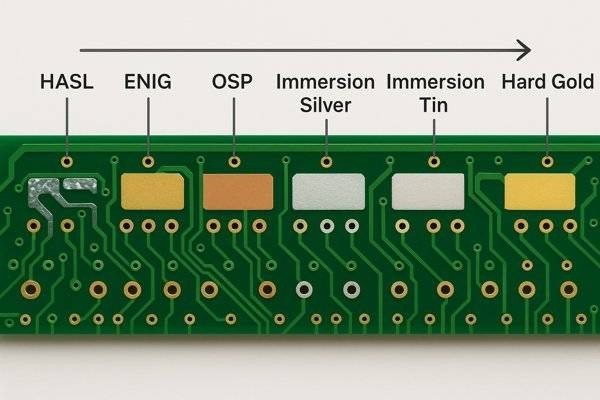
HASL (Hot Air Solder Leveling): Cost-Effective Choice for Conventional Industrial Products
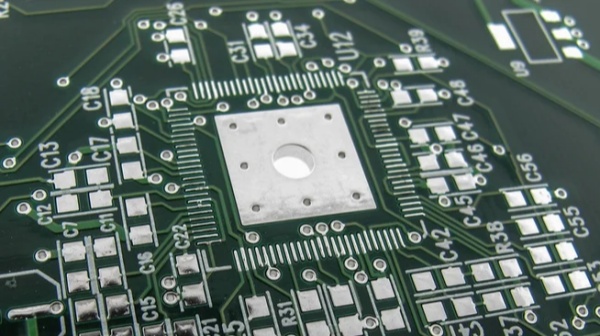
HASL is one of the most traditional and mature PCB surface finishing processes, widely used in low and medium-end PCB mass production. The process principle is to immerse the cleaned PCB into high-temperature molten tin-lead or lead-free solder, then use high-pressure hot air to level the excess solder on the board surface and pad holes, forming a uniform solder protective layer on the copper surface.
The prominent advantages of HASL are extremely low production cost, super high process maturity, and excellent reworkability. It can withstand multiple reflow soldering processes without obvious performance degradation, and has strong tolerance to conventional storage environments, with no strict requirements on vacuum packaging, greatly reducing customer’s storage and logistics costs. In addition, HASL finished PCBs have good solderability and mechanical stability, suitable for most conventional through-hole and ordinary SMT assembly scenarios.
However, HASL also has obvious limitations. The high-temperature processing process will cause certain thermal stress to multi-layer PCBs, easily leading to board warpage and delamination. Meanwhile, the hot air leveling process results in uneven surface flatness and inconsistent coating thickness, which cannot meet the assembly requirements of fine-pitch components such as 0.4mm BGA and 0402 ultra-small resistors and capacitors. Therefore, HASL is not applicable for high-precision, miniaturized high-end electronic products.
Our company’s HASL processing technology has achieved iterative upgrades on the traditional process. We adopt segmented constant-temperature heating and variable-frequency hot air leveling technology to effectively reduce board thermal stress and warpage rate. Through precise solder temperature control and air pressure adjustment, we minimize coating thickness deviation while retaining the cost advantage of HASL. This process is mainly recommended for low-cost mass-produced products such as ordinary household appliances, low-end industrial control equipment, power supply boards, and mechanical and electrical accessories, helping customers maximize cost control on the premise of meeting basic performance requirements.
OSP (Organic Solderability Preservative): Green & Flat Solution for High-Density Fine-Pitch PCBs
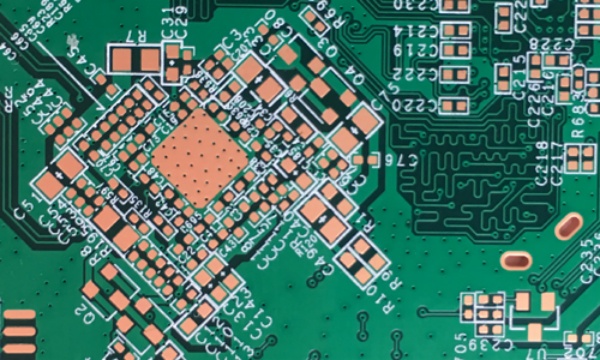
OSP, also known as organic solderability protective film, is an environmentally friendly and efficient organic coating finishing process. The principle is to form a thin, uniform azole-based organic protective film on the clean copper pad surface through dipping treatment. This film can effectively isolate air and prevent copper oxidation, and it can be quickly decomposed and dissolved by soldering flux during welding, exposing fresh copper to ensure excellent soldering effect.
OSP has irreplaceable advantages in high-density PCB applications. Its coating is extremely thin (0.1-0.5μm) with ultra-high flatness, no uneven thickness or surface bulge problems, fully adapting to fine-pitch SMT assembly and ultra-small component welding. In addition, OSP is completely lead-free and RoHS compliant, with green and environmentally friendly process, low production cost, and no pollution discharge pressure. Compared with metal coating processes, OSP has no risk of metal layer precipitation and corrosion, and has excellent high-frequency signal transmission performance, which will not interfere with high-frequency circuit signals.
The main limitation of OSP is its short shelf life. The organic protective film is easily scratched and damaged by external forces, and the protective performance will gradually decline after 6 months of conventional storage, requiring vacuum packaging and low-temperature storage. Meanwhile, it can only withstand limited reflow soldering times, making it unsuitable for products requiring multiple welding processes.
As one of our company’s core advantageous processes, our upgraded OSP treatment solves the pain points of short shelf life and easy scratching of traditional OSP. We adopt multi-layer composite organic coating technology and strict pre-treatment surface cleaning process to improve the adhesion and wear resistance of the protective film, extending the effective storage life to 8 months. Relying on automated dipping and film-forming equipment, we ensure consistent film thickness of each pad, with zero difference in batch production. This process is highly recommended for high-density consumer electronics PCBs such as smartphones, tablets, wearable devices, and high-frequency communication motherboards, becoming the preferred surface finishing solution for most high-precision, cost-sensitive consumer electronic products
ENIG (Electroless Nickel Immersion Gold): All-Round High-Reliability Industrial Grade Process
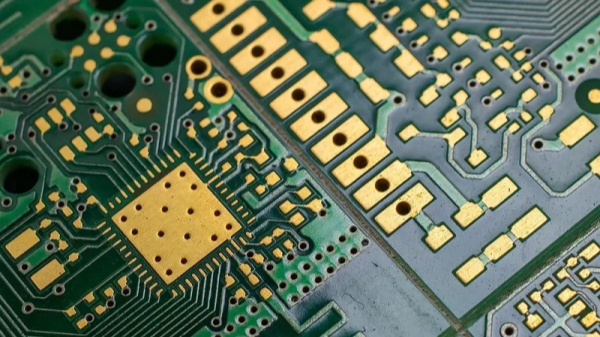
ENIG is currently the most widely used high-end metal surface finishing process in the industry, known as the “all-rounder” of PCB surface treatment. The process forms a uniform nickel-plated barrier layer on the copper surface through chemical plating, then immerses a thin layer of high-purity gold on the nickel layer. The nickel layer isolates copper and gold to prevent metal diffusion, while the gold layer provides excellent oxidation resistance, conductivity, and solderability.
ENIG has comprehensive outstanding performance: ultra-strong corrosion resistance and oxidation resistance, long shelf life (more than 12 months of conventional storage), excellent surface flatness, stable electrical conductivity, and good wear resistance. It can withstand multiple reflow soldering processes, adapting to complex multi-time assembly processes. Moreover, ENIG has excellent wire bonding performance and high-frequency signal transmission stability, with no signal attenuation or interference problems.
Its only disadvantage is the relatively high production cost due to the use of precious metal gold. In addition, improper process control may lead to “black pad” defects, affecting solder joint reliability. Therefore, ENIG has high requirements on production technology and quality control system, and only manufacturers with mature process capabilities can achieve stable mass production.
Our company has mastered mature low-defect ENIG process technology, with strict full-process quality control. We adopt precise chemical solution ratio control and segmented plating thickness monitoring technology to accurately control the thickness of nickel and gold layers, completely eliminating black pad, gold peeling, and uneven coating defects. Our ENIG finished PCBs have stable performance, with solder joint reliability far exceeding industry standards. This process is widely applicable to high-reliability fields such as automotive electronics, medical devices, industrial precision instruments, communication base station equipment, and automotive onboard PCBs, which require long service life and harsh environment resistance.
ENEPIG (Electroless Nickel Electroless Palladium Immersion Gold): High-End Process for Precision Wire Bonding
ENEPIG is an upgraded version of ENIG process, adding a layer of palladium metal between the nickel layer and gold layer. The palladium layer further optimizes the barrier performance and bonding performance of the coating, solving the problem of insufficient wire bonding stability of traditional ENIG process.
Compared with ENIG, ENEPIG has stronger wire bonding adaptability, perfectly matching gold wire, aluminum wire, and copper wire bonding processes, with higher bonding strength and better long-term stability. It has ultra-high corrosion resistance and mechanical durability, can adapt to extreme high-temperature and high-humidity working environments, and supports more reflow soldering times. It is the preferred process for high-precision packaging and high-reliability bonding scenarios.
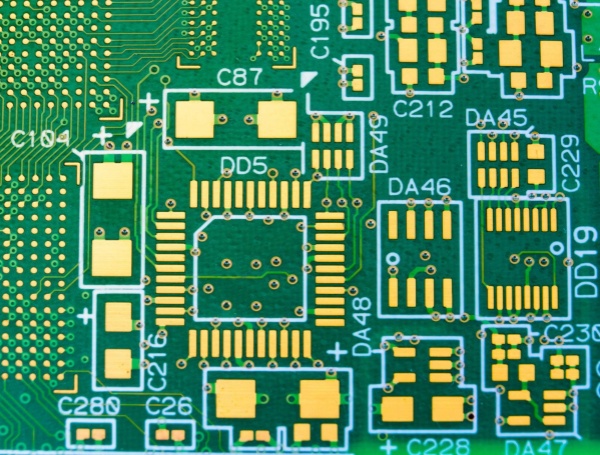
Due to its high process difficulty and cost, ENEPIG is mainly used in high-end precision electronic products such as aerospace equipment, military electronic components, high-end medical precision instruments, and chip packaging substrates. Our company has professional ENEPIG precision production lines and senior technical teams, realizing stable mass production of high-standard ENEPIG finishing, providing ultra-high-reliability surface treatment solutions for high-end manufacturing customers.
Immersion Silver & Immersion Tin: Professional Solutions for Medium and High-Frequency Circuits
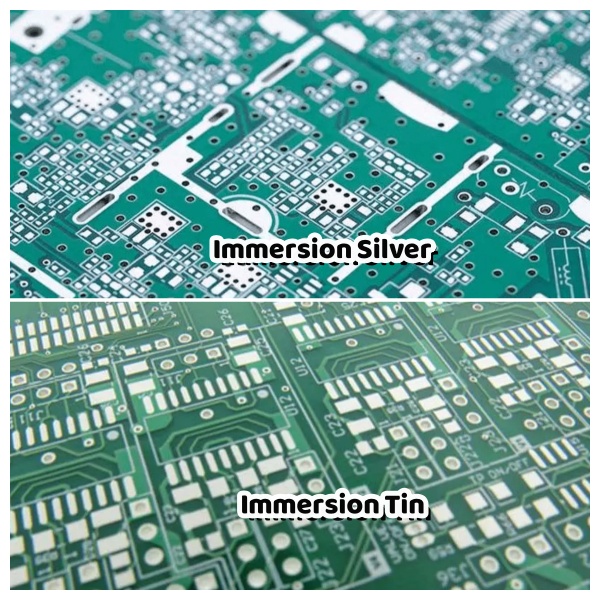
Immersion silver and immersion tin are two cost-effective metal finishing processes for medium-end scenarios. Immersion silver forms a thin silver protective layer on the copper surface, with excellent conductivity, flatness, and solderability, outstanding high-frequency signal transmission performance, and low signal loss. It is suitable for high-frequency PCB and medium-end consumer electronic products.
Immersion tin has good oxidation resistance and solderability, uniform coating thickness, and moderate cost, adapting to medium-precision SMT assembly. Both processes have certain limitations: silver layer is prone to oxidation and migration in humid environments, and tin layer has poor wear resistance and short shelf life, so they are not suitable for long-term outdoor and extreme harsh environment applications.
Our company optimizes the two processes through anti-oxidation post-treatment technology, effectively delaying silver oxidation and tin layer aging, improving product stability and service life. They are mainly recommended for medium-end consumer electronics, high-frequency circuit modules, and ordinary industrial control PCBs, helping customers balance performance and cost.
Hard Gold Plating: Wear-Resistant Process for Contact and Conductive Terminals
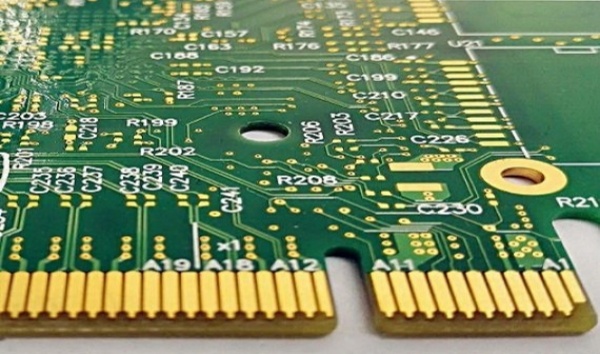
Different from soft gold of ENIG, hard gold plating adds hardening agents in the gold plating process, forming a high-hardness, wear-resistant gold layer. It has ultra-strong friction resistance and stable conductive performance, and will not cause poor contact due to long-term plugging and friction.
Hard gold plating is mainly used for PCB contact parts such as golden fingers, connector terminals, and plug-in terminals, which require frequent plugging and long-term stable conduction. It is widely applied in communication equipment interfaces, industrial control connectors, and computer peripheral golden finger boards. Our company’s hard gold plating process achieves precise control of gold layer hardness and thickness, with wear resistance and conductive stability reaching industry-leading levels, ensuring long-term zero-failure operation of terminal contact parts.
Ucreate PCB Factory: Our Core Strengths in PCB Surface Finishing Service
In the fiercely competitive PCB surface treatment industry, process comprehensiveness and quality stability are the core competitiveness of manufacturers. Unlike most peers with single process and unstable quality, our company relies on years of technical accumulation and production experience to build an all-round advantageous service system, winning long-term trust from global customers.
First, we have full-process process coverage and flexible customization capability. We independently master all mainstream surface finishing processes in the industry, from low-cost HASL and OSP to high-end ENIG, ENEPIG, and hard gold plating. We can freely match processes according to customers’ product scenarios, cost budgets, and performance requirements, and support personalized customized solutions such as selective gold plating and mixed surface finishing, meeting the differentiated needs of diverse products.
Second, we have advanced automated production and precise process control. The company is equipped with fully automated surface finishing production lines, intelligent constant-temperature plating tanks, and precise thickness detection equipment. All production parameters are digitally controlled, realizing zero manual error interference. We implement strict batch sampling inspection and full-size appearance inspection before delivery, with product defect rate far lower than the industry average, ensuring batch consistency and high stability of finished products.
Third, we have a professional R&D team and technical service support. Our senior technical engineers have more than 10 years of PCB surface treatment experience, familiar with the process pain points and scenario requirements of various industries. We can provide one-stop pre-sales technical consultation, process scheme optimization, and after-sales technical support. For customers’ new product R&D and special process requirements, we can quickly complete process debugging and scheme iteration to help customers shorten R&D cycle and accelerate product launch.
Fourth, we have strict quality certification and standardized production management. All our surface finishing processes comply with RoHS, REACH and other international environmental protection standards, and the company has passed ISO9001 quality management system certification and IATF16949 automotive industry quality certification. The whole production process follows standardized operation procedures, from raw material incoming inspection, pre-board treatment, finishing processing to post-treatment packaging and delivery, every link has strict quality supervision, ensuring that each batch of products meets international high-standard requirements.
Fifth, we have efficient production capacity and perfect delivery system. Relying on automated production lines and mature production scheduling management, we support small-batch customized trial production and large-batch mass production, with flexible production cycle and stable delivery speed. We have long-term stable supply capacity to meet the bulk order demands of global customers, while ensuring quality and delivery efficiency.
Conclusion: Choose Professional Surface Finishing to Empower Product High-Reliability Development
PCB surface finishing is a tiny but crucial link in electronic manufacturing, which silently determines the quality, stability and service life of electronic products. A suitable surface finishing process can effectively reduce product failure rate, improve assembly efficiency, and enhance core product competitiveness; while improper process selection and unqualified surface treatment quality will bring endless hidden dangers to subsequent production and terminal use.
With comprehensive process coverage, leading technical strength, strict quality control, and professional customized service, our company has always been committed to providing global electronic manufacturing customers with high-quality, cost-effective, and scenario-matched PCB surface finishing solutions. Whether you need low-cost mass production finishing for civil products, high-precision flat finishing for consumer electronics, or high-reliability anti-corrosion and wear-resistant finishing for industrial, medical and automotive high-end products, we can accurately match the optimal process scheme for you.