 English
 中文
中文What Are SMD and SMT?
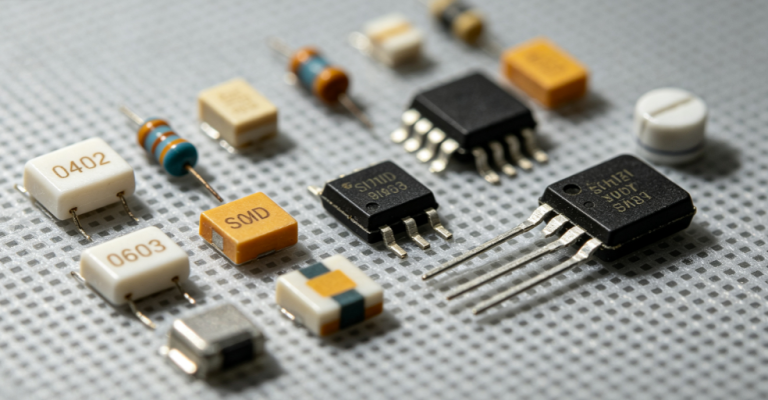
Surface Mount Devices (SMD): The “Building Blocks” of PCBs
Surface Mount Technology (SMT): The “Assembly Method” for SMDs
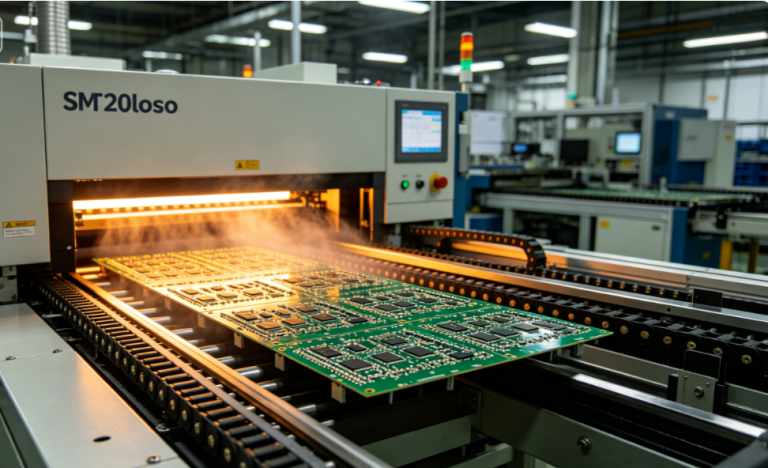
How SMD and SMT Work Together
The relationship between SMD and SMT is one of interdependence—they are inseparable in modern PCB assembly, and neither can fulfill its purpose without the other. Simply put, SMDs are the components that need to be assembled, and SMT is the process that assembles them. This symbiotic relationship is what drives the efficiency and innovation of today’s electronics manufacturing.
First and foremost, SMDs are specifically designed to be compatible with SMT. Their compact size, surface-mountable design, and standardized solder pads are all optimized for the automated placement and soldering processes of SMT. Without SMDs, SMT would have no components to assemble, and the technology would be irrelevant. Conversely, without SMT, SMDs could not be efficiently or reliably mounted onto PCBs in high volumes. While it is technically possible to hand-solder small quantities of SMDs, this method is slow, prone to human error, and impractical for mass production—exactly the scenario that SMT was developed to address.
The evolution of SMDs and SMT has also been closely linked. As electronics manufacturers demanded smaller, more powerful devices, SMD designers created increasingly miniaturized components, which in turn required advancements in SMT equipment to handle their tiny size and precise placement needs. For example, the development of ultra-small SMDs (such as 01005 resistors and capacitors, which measure just 0.4mm x 0.2mm) required pick-and-place machines with higher precision and more advanced vision systems to ensure accurate placement. Similarly, the introduction of complex SMDs like ball grid arrays (BGAs) and chip scale packages (CSPs) led to the adoption of X-ray inspection in SMT, as these components have hidden solder joints that cannot be seen with traditional optical inspection.
In PCB assembly, the choice of SMDs directly influences the SMT process, and vice versa. For instance, larger SMDs (such as power ICs) may require a different solder paste application process or a modified reflow temperature profile to ensure proper soldering. Conversely, the capabilities of a manufacturer’s SMT equipment (e.g., the precision of the pick-and-place machine, the size of the reflow oven) will determine the types of SMDs that can be used in a PCB design. At our PCB assembly facility, we have invested in state-of-the-art SMT equipment that can handle a wide range of SMD sizes and types, from the smallest 01005 components to large BGAs and QFNs (Quad Flat No-leads packages), ensuring that we can meet the diverse needs of our clients.
Key Differences: SMD vs. SMT
1. Nature: Component vs. Process
2. Purpose: Functional vs. Assembly
3. Form: Tangible vs. Procedural
4. Customization: Component Selection vs. Process Optimization
5. Failure Modes: Component Defects vs. Process Errors
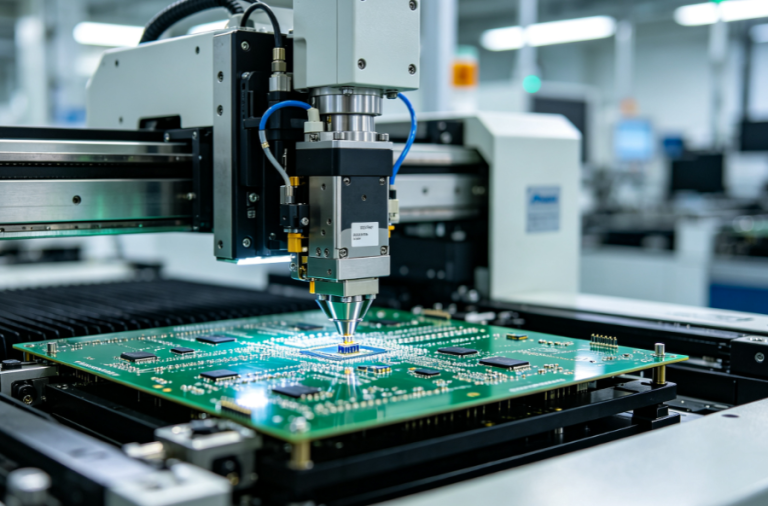
Practical Applications: SMD and SMT in PCB Assembly
Our Expertise in SMD and SMT for PCB Assembly
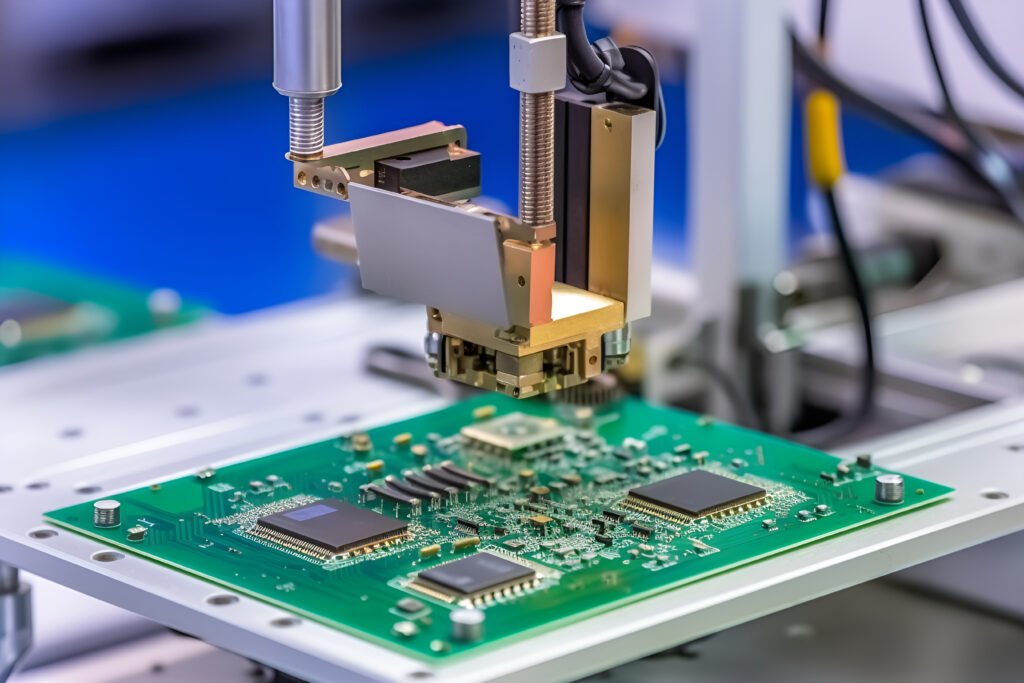
At Ucreate, we specialize in PCB manufacturing and PCB assembly, with extensive expertise in both SMDs and SMT. Our state-of-the-art facility is equipped with the latest SMT equipment, including high-precision pick-and-place machines, advanced reflow ovens, and automated inspection systems (AOI and X-ray), enabling us to handle a wide range of SMD sizes and types, from the smallest 01005 components to large, complex BGAs and QFNs.
Our team of experienced engineers and technicians works closely with clients to select the optimal SMDs for their projects, ensuring that they meet functional, performance, and budgetary requirements. We also optimize the SMT process for each project, adjusting parameters like solder paste application, component placement, and reflow temperature to minimize defects and maximize efficiency. Whether you need prototype PCBs with a small number of SMDs or high-volume production runs with thousands of components, we have the capabilities and expertise to deliver high-quality results on time and on budget.
We understand that every PCB assembly project is unique, and we take a customized approach to meet your specific needs. Our quality control processes are rigorous, with multiple inspection and testing steps to ensure that every PCB we produce is reliable, functional, and meets industry standards. We also offer additional services such as conformal coating, component sourcing, and functional testing, providing a comprehensive solution for all your PCB assembly needs.